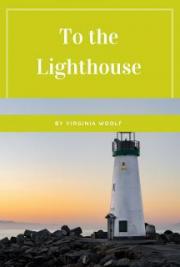
To the Lighthouse (5 May 1927) is a novel by Virginia Woolf. A landmark novel of high modernism, the text, centering on the Ramsay family and their visits to the Isle of Skye in Scotland between 1910 and 1920, skillfully manipulates temporality and psychological exploration. To the Lighthouse follows and extends the tradition of modernist novelists like Marcel Proust and James Joyce, where the plot is secondary to philosophical introspection, and the prose can be winding and hard to follow. The novel includes little dialogue and almost no action; most of it is written as thoughts and observations. The novel recalls the power of childhood emotions and highlights the impermanence of adult relationships. One of the book's several themes is the ubiquity of transience.
One of Woolf’s most experimental novels, The Waves presents six characters in monologue - from morning until night, from childhood into old age - against a background of the sea. The result is a glorious chorus of voices that exists not to remark on the passing of events but to celebrate the connection between its various individual parts.
Night and Day, Virginia Woolf's second novel, is both a love story and a social comedy in the tradition of Jane Austen; yet it also questions that tradition, recognizing that the goals of society and the individual may not necessarily coincide.
This is an HTML version of the ebook and may not be properly formatted. Please view the PDF version for the original work.
An excerpt is a selected passage of a larger piece, hence this is not the complete book.
HTML Format is ideal for: Immediate preview in any browser, Translations
PDF Format is ideal for: PC's & Macs, iPhone, and Printing
The ePub format is ideal for the Sony Reader, Barnes & Noble Nook, BeBook, Bookeen, COOL-ER, Hanlin eReader, Hanvon and many other ebook readers
Note: For VIP Members Only.
Mobipocket Format is ideal for: Amazon Kindle, Mobile Phones, Blackberry, Palm, IRex, ILiad, Hanlin, BeBook and other mobile devices
Note: For VIP Members Only.
The Text (TXT) format is the simplest format and can be read in any word processor. Plus it is printable.
Standard Members enjoy free HTML views and5 PDF/TXTaccesses per month. For Unlimited Access, please upgrade.
Comments for "To the Lighthouse"
The Waves
By: Virginia Woolf
One of Woolf’s most experimental novels, The Waves presents six characters in monologue - from morning until night, from childhood into old age - against a background of the sea. The result is a glorious chorus of voices that exists not to remark on the passing of events but to celebrate the connection between its various individual parts.
Night and Day
By: Virginia Woolf
Night and Day, Virginia Woolf's second novel, is both a love story and a social comedy in the tradition of Jane Austen; yet it also questions that tradition, recognizing that the goals of society and the individual may not necessarily coincide.