


 Add to Library
Book Description HTML
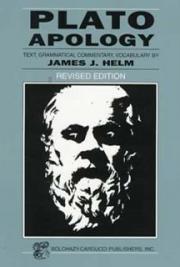
The Apology is Plato's version of the speech given by Socrates as he unsuccessfully defended himself in 399 BC[1] against the charges of "corrupting the young, and by not believing in the gods in whom the city believes, but in other daimonia that are novel" (24b). "Apology" here has its earlier meaning (now usually expressed by the word "apologia") of speaking in defense of a cause or of one's beliefs or actions (from the Ancient Greek ἀπολογία).
Last updated: March 10, 2012
Reader Reviews

Other books by author...
-
Lysis or friendship Philosophy (Academic) by Plato.Lysis or friendship
Reads:
598Pages:
40Published:
Mar 2012Lysis is a dialogue of Plato which discusses the nature of friendship. It is generally classified as an early dialogue. The main characters are Socrates, the...
Formats: PDF, Epub, Kindle, TXT
-

Laches of Courage Philosophy (Academic) by Plato.Laches of Courage
Reads:
561Pages:
44Published:
Mar 2012The Laches is a Socratic dialogue written by Plato. Participants in the discourse present competing definitions of the concept of courage.
Formats: PDF, Epub, Kindle, TXT
-

Ion Philosophy (Academic) by Plato.Ion
Reads:
510Pages:
26Published:
Mar 2012In Ion, Plato presents a dialogue between his influential teacher Socrates and a distinguished rhapsode, Ion. While Socrates considers himself “a common man w...
Formats: PDF, Epub, Kindle, TXT
-
Statesman Philosophy (Academic) by Plato.Statesman
Reads:
474Pages:
141Published:
Mar 2012The Statesman (Greek: Πολιτικός, Politikos), also known by its Latin title, Politicus, is a Socratic dialogue written by Plato. The text describes a conversat...
Formats: PDF, Epub, Kindle, TXT